
How Reinforced Bitumen Membranes Provide 25+ Years of Leak-Free Protection in Singapore
The Expert Guide to Reinforced Bitumen Membranes (RBM): Superior Waterproofing for Singapore Properties
In the tropical context of Singapore, where the afternoon sun can reach 34°C followed by an immediate torrential downpour, the structural integrity of your roof is under constant duress. For many landed properties and commercial buildings, the standard choice for "heavy-duty" protection is Reinforced Bitumen Membranes (RBM).
At Gaushan Construction, we have seen that while many contractors offer bitumen roofing, few understand the nuances of the application required for our unique climate. In 2026, RBM remains a premier idea for those seeking a "set-and-forget" waterproofing solution that can last for decades. This guide explores the technical advantages, application strategies, and maintenance tips for RBM.
What is Reinforced Bitumen Membrane (RBM)?
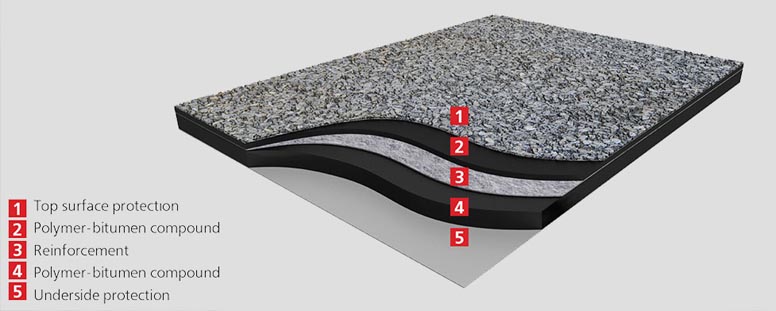
RBM is an evolution of the traditional felt roof. It consists of multiple layers of bitumen (asphalt) that are reinforced with a core of polyester or glass fiber.
The Strength Factor: The reinforcement core is what allows the membrane to withstand the structural movement of a building. In Singapore, buildings settle and shift due to soil conditions and thermal expansion. RBM is designed to stretch and flex without tearing, maintaining a watertight seal across your entire roof slab.
Why RBM is Ideal for the Singapore Environment
1. Resistance to Thermal Shock
Singaporean roofs experience extreme "thermal shock." A concrete slab can hit 60°C in the midday sun. When a sudden rainstorm hits, the temperature drops rapidly, causing the slab to contract. RBM’s multi-layer composition acts as a thermal buffer, absorbing this stress and protecting the underlying concrete.
2. Multi-Layer Redundancy
Unlike single-ply membranes, RBM is typically installed in two or three layers. This redundancy means that even if the top layer is punctured (for example, by debris during a storm), the secondary layers remain intact to keep your home dry.
3. Foot-Traffic Durability
If you use your roof for air-conditioning units, water tanks, or even a small roof garden, you need a membrane that can handle weight. RBM is significantly thicker than liquid-applied coatings, making it resistant to punctures from tools or maintenance equipment.
How-To: Professional Application of Bitumen Membranes
A successful RBM installation is all about the "detail work." Follow this supportive guide from Gaushan Construction to understand the professional process.
Step 1: Surface Preparation and Priming
The concrete slab must be clean, dry, and free of "laitance" (dusty concrete residue).
The Process: We apply a high-penetration bitumen primer. This acts as the "glue" that ensures the membrane bonds permanently to the concrete. Without proper priming, the membrane can "de-bond," leading to water getting trapped underneath.
Step 2: Torch-On Application and Overlapping
Most RBM systems in Singapore are "torch-on."
The Process: Using a propane torch, the underside of the membrane is melted just enough to fuse it to the primer. Expert Move: The overlaps (the seams where two sheets meet) must be at least 100mm. We apply extra heat to the seams to create a "bead" of bitumen, ensuring the joint is even stronger than the sheet itself.
Step 3: Detailing the Upstands
The most common leak point is the "upstand"—the point where the roof meets a wall or a parapet.
The Process: We install a "fillet" (a curved transition) so the membrane doesn't have to bend at a sharp 90-degree angle. This prevents the bitumen from cracking over time due to stress.
Frequently Asked Questions (FAQ)
How long does a Reinforced Bitumen Membrane last in Singapore? When installed correctly by Gaushan Construction, a high-quality RBM system can last between 20 to 30 years. Regular maintenance and UV-reflective coatings can extend this lifespan even further.
Is RBM better than liquid waterproofing? RBM is generally superior for flat RC (Reinforced Concrete) roofs that carry heavy equipment or experience high movement. Liquid waterproofing is excellent for balconies or complex shapes, but RBM provides a thicker, more durable physical barrier for primary roofs.
Does a bitumen roof make my house hotter? Traditional bitumen is black and absorbs heat. However, at Gaushan Construction, we often finish our RBM installations with a silver solar-reflective paint or a mineral-slated surface. This reflects UV rays and keeps your top floor significantly cooler.
What is the "bubbling" I see on some bitumen roofs? Bubbling (or blistering) occurs when moisture is trapped beneath the membrane during installation. As the sun heats the roof, the moisture turns into vapor and expands. This is why we insist on a bone-dry substrate before starting any work.
Can I install RBM over an existing old roof? In some cases, yes. This is called a "roof overlay." However, we must first ensure the old roof is not "wet" or rotting. If the original insulation is waterlogged, it must be removed to prevent trapping moisture in the new system.
Summary of RBM Benefits
Puncture Resistance: Ideal for roofs with AC units or heavy maintenance. Multi-Layer Security: Provides three levels of defense against water ingress. High Elasticity: Handles the expansion and contraction of Singaporean buildings. Cost-Effectiveness: While the initial cost is higher than paint, the 25-year lifespan offers the best ROI.
Conclusion: Partnering with Gaushan Construction
Your roof is your home’s most critical shield. Choosing Reinforced Bitumen Membranes is a smart investment in long-term peace of mind. At Gaushan Construction, we pride ourselves on a supportive, expert approach. we don't just lay membranes; we engineer waterproofing systems that are built to last. If you are planning a new build or a major renovation, reach out to us for a professional assessment.